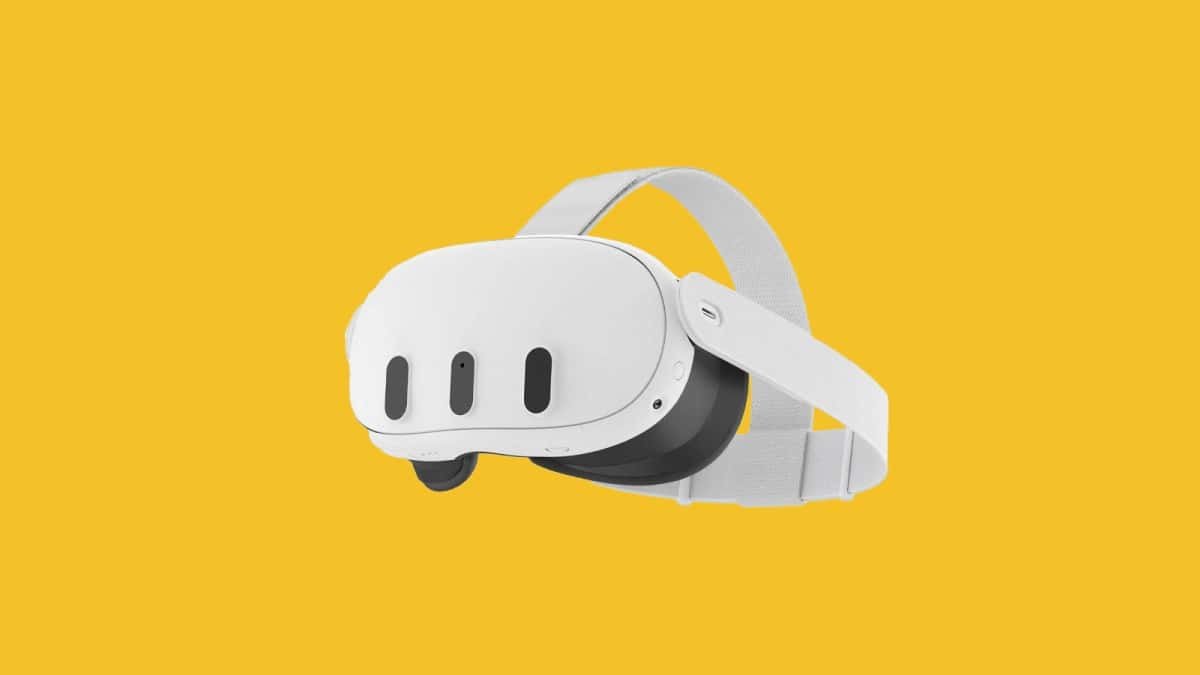
The landscape of immersive technology is shifting, and for anyone considering a dive into virtual or mixed reality, understanding the Cost Analysis: Meta Quest 3 Price and Value Proposition is paramount. As Meta prepares to launch its next-generation standalone headset, the buzz is palpable, promising a more powerful, sleeker, and integrated mixed reality experience. But does this promise translate into clear value for its expected $499+ price tag?
This isn't just about the dollar amount; it's about what that money gets you in a rapidly evolving market. With significant advancements on the horizon and robust alternatives already available, a careful look at the Quest 3's projected cost versus its real-world utility is essential for savvy buyers.
At a Glance: Deciphering the Meta Quest 3's Value
- Meta Quest 3 Launch: Expected October 10, 2023, starting at $499 or more.
- Key Upgrades: Slimmer design, enhanced processing (75% more CPU/GPU power, 50% more RAM), higher pixel density (40%), and full-color passthrough for immersive mixed reality.
- The Core Dilemma: Is the Quest 3's advanced tech worth the premium when the Quest 2 offers superb VR at a discounted price, and high-end alternatives or future innovations loom?
- Content: Largely cross-compatible with the Quest 2's extensive library, meaning many existing games won't require the Quest 3's extra power to enjoy.
- Alternatives to Consider: Discounted Quest 2, PlayStation VR 2 (for PS5 users), Pico 4 (cost-effective standalone), Valve Index 2 (rumored high-end PCVR), Apple's MR headset (high-end, productivity-focused), and HTC Vive XR Elite (enterprise-focused).
- Recommendation: Casual users may save significantly with a Quest 2. Power users seeking future-proofing might lean Quest 3. Gamers on PS5 have a dedicated option. The market is dynamic; explore all options to avoid buyer's remorse.
The Meta Quest 3: A Glimpse into the Future (and its Price Tag)
October 10, 2023, marks a significant date for Meta and the broader XR community: the anticipated launch of the Meta Quest 3. This standalone headset is positioned as a pivotal step towards pushing immersive mixed reality into the mainstream, building on the foundation laid by its incredibly successful predecessor.
Early details paint a picture of substantial improvements. We're looking at a slimmer profile, a significant bump in processing power with an estimated 75% increase in CPU/GPU capabilities and 50% more RAM, and a sharper visual experience with 40% higher pixel density. Perhaps the most anticipated upgrade is the full-color passthrough, which promises to seamlessly blend the digital and physical worlds in new, engaging mixed reality applications.
This leap in technology, however, comes with a corresponding price. The Meta Quest 3 is expected to launch at $499 or more, setting it firmly above the current entry point for Meta's VR ecosystem. This price point immediately puts it into a different league from its more accessible sibling, prompting a deeper investigation into its true value proposition.
Beyond the Hype: Why the Meta Quest 3 Price Demands Careful Consideration
While the Meta Quest 3 undoubtedly represents an advancement in standalone VR, its higher price point requires a thoughtful evaluation. In a market burgeoning with innovation and competitive offerings, prospective buyers have more considerations than ever before. Understanding these factors is key to making an informed decision that truly aligns with your needs and budget.
The Allure of the Discount: Quest 2's Unbeatable Value
One of the most compelling arguments against an immediate jump to the Quest 3 is the enduring appeal and now significantly reduced price of the Meta Quest 2. Meta has permanently dropped the price of the 128GB Quest 2 model to a mere $299. This isn't just a minor adjustment; it's a substantial 25% to 33% discount from its original MSRPs of $399 and $499.
Think about that: you can now get an incredibly capable, widely praised VR headset for $200 less than the anticipated Quest 3 entry price. The Quest 2 remains a fantastic device for VR gaming, media consumption, and social experiences. Analyst Ming-Chi Kuo even predicts that Meta might implement more aggressive Quest 2 pricing during the Quest 3's launch period, potentially sweetening the deal further.
For casual users, those new to VR, or anyone primarily interested in an excellent VR gaming and media experience without breaking the bank, the discounted Quest 2 offers superb functionality for a fraction of the cost. Why spend an extra $200 if your needs are met by the current champion of value? This often makes people wonder, Is the Quest 3 worth it? for their specific use case.
Content is King (and It's Cross-Platform)
Another crucial aspect of any headset's value proposition is its content library. Here, the Meta Quest 3 faces a unique challenge: it will largely offer the same expansive library of over 500 titles already available for the Quest 2. Top Meta studios have confirmed that upcoming titles will support both Quest 2 and Quest 3, ensuring a smooth transition.
In fact, a March 2022 survey indicated that 68% of upcoming titles are being built to support both Quest 1/2 and next-gen headsets. This means that 80-90% of the existing Quest catalog is expected to provide a similar, enjoyable experience on your Quest 2. You could save $200 and still access the vast majority of the same games and apps.
While the Quest 3’s enhanced processing power might offer slightly faster loading times, smoother frame rates, or minor graphical improvements in some games, these benefits are often marginal for the average user. Only competitive multiplayer gamers, where every millisecond counts, might genuinely consider an upgrade for potential speed boosts. For most, the content parity means the Quest 2 continues to deliver exceptional entertainment value.
Stepping Up (or Sideways): High-End VR Alternatives to Consider
If the Quest 3’s $499+ price point is already a stretch, or if you’re looking for a truly premium experience beyond what the Quest ecosystem offers, several high-end alternatives demand attention. These aren't just competitors; they cater to different segments of the market with specialized features and ecosystems.
Valve Index 2: Rumors of a PC VR Powerhouse
Whispers of a successor to the highly regarded Valve Index, potentially named the Valve Index 2, have been circulating, with a possible announcement as early as Q3 2023. While still speculative, potential features paint a picture of a beastly PC VR headset:
- Wi-Fi 6 Connectivity: Offering untethered, high-bandwidth PC VR experiences.
- Expanded Field of View (FOV): Ranging from 140-160 degrees, significantly more immersive than most consumer headsets.
- Augmented Mixed Reality: Utilizing passthrough cameras, similar to the Quest 3, but potentially with Valve's characteristic polish for deeper integration with the real world.
- Beefier Processing Power: Leveraging PC GPUs for unparalleled visual fidelity and simulation depth.
For dedicated PC VR enthusiasts seeking the absolute best in graphical fidelity and immersion, and who already own a high-end gaming PC, a potential Valve Index 2 could represent a significant upgrade over even the Quest 3, albeit likely at a much higher price point and requiring a powerful computer. The question then becomes less about Is the Quest 3 worth it? and more about "Is a high-end PC VR system worth the investment for my specific use?"
PlayStation VR 2: Exclusively for the PS5 Faithful
Sony's PlayStation VR 2, launched in February 2023, carves out its own niche specifically for PlayStation 5 owners. This system isn't a standalone device; it's an accessory that leverages the PS5's raw processing power to deliver a premium VR experience. Its specifications are impressive:
- 2000 x 2040 resolution OLED displays with HDR: Delivering stunning visuals with deep blacks and vibrant colors.
- 110-degree field of view: Offering a broad, immersive perspective.
- Advanced PS VR2 Sense controllers: Featuring haptic feedback, adaptive triggers, and finger touch detection for unparalleled immersion.
- Exclusive Titles: Including highly anticipated games like Horizon Call of the Mountain, Resident Evil Village VR mode, and Gran Turismo 7 VR.
For PlayStation gamers who do not primarily play VR on PC, the PSVR 2 is arguably the strongest recommendation. It offers a premium, console-integrated VR experience with a growing library of exclusive, high-fidelity titles that simply aren't available on the Quest platform. The value here is tied directly to your allegiance to the PlayStation ecosystem.
The Horizon is Crowded: Other Innovative Headsets on the Way
Beyond direct competitors, the broader XR market is bursting with new and upcoming hardware that challenges the Quest 3's position from various angles – from budget-friendly alternatives to ultra-premium, specialized devices. This dynamic environment adds another layer to the Quest 3's cost analysis.
Apple's Mixed Reality Headset: The Luxury Future
Apple is poised to formally unveil its first mixed reality headset in early 2023, with an expected launch by summer. This device is anticipated to be a high-end, premium offering, optimized more for media consumption, communication, productivity, and creativity rather than traditional gaming. Pricing leaks suggest an initial cost of $2,000+, placing it in an entirely different category from the Quest 3.
While not a direct competitor in terms of price or primary focus, Apple's entry signals a significant shift in the market. For those seeking the absolute cutting edge in mixed reality, especially for professional or non-gaming applications within the Apple ecosystem, this headset could redefine expectations and make the Quest 3 seem comparatively modest in its ambitions. It highlights how the value proposition isn't always about the lowest price.
Pico 4: A Cost-Effective Standalone Alternative
Launched as a direct competitor to the Quest 2, the Pico 4 standalone headset is priced at $429, effectively matching (and in some areas, exceeding) the Quest 2's capabilities at a slightly lower cost than the Quest 3's anticipated price. With over 150,000 units sold prior to the holidays, it's gained significant traction.
The Pico 4 offers a compelling alternative for those looking for a standalone VR experience without committing to Meta's ecosystem or the Quest 3's premium. It demonstrates that robust, full-featured standalone VR can be achieved at a more accessible price point, forcing consumers to ask themselves if the Quest 3's extra features justify its higher cost over a capable alternative like Pico 4.
HTC Vive XR Elite: The Enterprise-Focused Hybrid
Expected to cost $1,099, the HTC Vive XR Elite targets enterprise users and professionals, though it's also available to consumers. This headset stands out with its dual cameras for stereoscopic passthrough video, designed to seamlessly merge real-world spaces with virtual objects.
The Vive XR Elite is a direct example of a mixed reality headset already on the market, offering features that Meta is touting for the Quest 3, but at a significantly higher price, reflective of its professional-grade design and focus. For users needing robust mixed reality capabilities for specialized applications, the Vive XR Elite offers a more established, albeit pricier, solution.
Making Your Decision: Who is the Quest 3 Really For?
With so many options and such a dynamic market, deciding if the Meta Quest 3 is the right choice comes down to your individual needs, budget, and priorities. Let's break down who benefits most from which option. The decision on Is the Quest 3 worth it? really boils down to your user profile.
For the Budget-Conscious Casual Explorer: Choose Quest 2 (or Pico 4)
If you're new to VR, want to experience immersive gaming and media without a significant investment, or simply don't need the absolute latest tech, the Meta Quest 2 at $299 is an unparalleled value. You'll get access to a massive content library, a comfortable experience, and save $200 compared to the Quest 3. The Pico 4 at $429 is also a strong contender if you're looking for an alternative standalone experience with good features, perhaps without Meta's ecosystem.
- Why: Excellent value, mature content library, still highly capable.
- Pitfall to Avoid: Overspending on features you won't fully utilize.
For the Dedicated VR Gamer & Future-Proofer: Consider Quest 3 (or wait for Valve Index 2)
If you're a VR enthusiast, prioritize cutting-edge performance, intend to use mixed reality features extensively, or simply want to future-proof your investment for upcoming, graphically intensive titles, the Quest 3 is a strong candidate. Its enhanced processing power and mixed reality capabilities will provide the best standalone experience in Meta's ecosystem. However, if PC VR is your ultimate goal, waiting for or investing in a potential Valve Index 2 might offer superior fidelity.
- Why: Best standalone performance, mixed reality focus, future-proofing within Meta's ecosystem.
- Decision Criteria: Willingness to pay a premium for incremental performance, strong interest in mixed reality.
For the PlayStation Faithful: PSVR 2 is Your Only Choice
If you own a PlayStation 5 and primarily game on your console, the PlayStation VR 2 is tailor-made for you. Its exclusive titles, deep integration with the PS5, and advanced controllers offer a unique, high-fidelity console VR experience that no other headset can replicate.
- Why: Exclusive content, seamless PS5 integration, premium console VR.
- Consideration: Requires a PS5; not a standalone system.
For the PC VR Enthusiast: Look to Valve Index, or Wait for Index 2
For those with a powerful gaming PC who prioritize the absolute highest fidelity, widest FOV, and most precise tracking in VR, PC VR headsets like the current Valve Index or the rumored Valve Index 2 are the gold standard. While the Quest 3 can connect to a PC via Link Cable or Air Link, it won't match a dedicated PC VR headset for raw performance and specific PC VR experiences.
- Why: Unparalleled graphical fidelity (with a powerful PC), superior tracking, large PC VR content library.
- Caveat: Requires a high-end gaming PC and often more complex setup.
For the Enterprise & Professional User: HTC Vive XR Elite (or Wait for Apple)
If your needs extend beyond gaming to professional applications, design, training, or advanced mixed reality for business, specialized headsets like the HTC Vive XR Elite offer features like robust passthrough and modular design that cater to enterprise demands. For those prioritizing cutting-edge productivity and creativity in mixed reality, especially within a premium ecosystem, Apple's upcoming headset will be a significant player, albeit at a much higher price.
- Why: Specialized features for professional use, robust mixed reality capabilities.
- Consideration: Higher price points, often niche software ecosystems.
Common Questions & Misconceptions About VR Headset Value
Navigating the VR market can be confusing, especially with new hardware constantly emerging. Let's address some common questions and clear up misconceptions about headset value.
"Will Quest 3 games look dramatically better than Quest 2 games?"
For many current and upcoming titles, the visual difference might be subtle. Developers are often targeting both headsets, meaning the Quest 2 will run the base version of the game. Quest 3 might offer higher resolutions, better textures, or more advanced effects in patches or future exclusive titles, but don't expect a night-and-day difference for most of the existing library.
"Is the Quest 3 future-proof?"
"Future-proof" is a strong term in tech. While the Quest 3 will certainly be more capable for future VR and MR experiences than the Quest 2, the rapid pace of innovation means that even the Quest 3 will eventually be superseded. It's "future-ready" for the next few years, especially for Meta's ecosystem. However, considering rivals like Apple entering the market, "future-proof" is an unrealistic expectation for any consumer tech.
"Can I use Quest 3 with my PC for PC VR?"
Yes, like the Quest 2, the Quest 3 will support PC VR via Meta Link Cable or Air Link. Its increased processing power might offer a slightly smoother experience for the headset's internal processing of the PC VR stream, but the ultimate quality will still depend heavily on your gaming PC's specifications. For dedicated PC VR, specialized headsets often offer a superior experience.
"Is Mixed Reality (MR) really that important right now?"
Full-color passthrough and robust mixed reality are undoubtedly the "next big thing" in immersive tech, with many companies investing heavily. The Quest 3's focus here is a forward-looking bet. While there might not be a huge library of killer MR apps at launch, Meta is pushing this functionality hard, and it could become a significant draw as the ecosystem matures. Your interest in MR should heavily influence your decision.
The Bottom Line: Navigating Your Next Immersive Purchase
The Meta Quest 3 is an exciting piece of hardware, pushing the boundaries of standalone mixed reality with significant technical upgrades. For VR power users and those eager to embrace the nascent world of mixed reality, its enhanced capabilities and future-proofing within Meta's ecosystem present a compelling argument.
However, the Cost Analysis: Meta Quest 3 Price and Value Proposition is far from a simple equation. The Meta Quest 2, now available at a substantial discount, continues to offer exceptional VR value for casual users, especially given its largely cross-compatible content library. Furthermore, the market is rich with alternatives: the PlayStation VR 2 for console gamers, the Pico 4 for a budget-friendly standalone option, and rumors of a high-end Valve Index 2 for PC VR enthusiasts. Looming on the horizon are high-end devices like Apple's mixed reality headset and existing enterprise-focused options like the HTC Vive XR Elite, which redefine what's possible at higher price points.
Before you make your choice, take a moment to honestly assess your needs. Are you a casual gamer, a dedicated enthusiast, a PlayStation loyalist, or someone looking for professional applications? Do you prioritize cutting-edge mixed reality, or simply want a great VR gaming experience? The dynamic growth of virtual and mixed reality offers unprecedented choice, but with choice comes the risk of buyer's remorse.
Consider all your options, weigh the features against the price, and determine which headset truly delivers the best value for your immersive journey. The right choice isn't about the newest or most expensive device; it's about the one that best fits your world. And if you're still asking yourself Is the Quest 3 worth it? for your personal situation, reflect on the alternatives and your usage patterns.