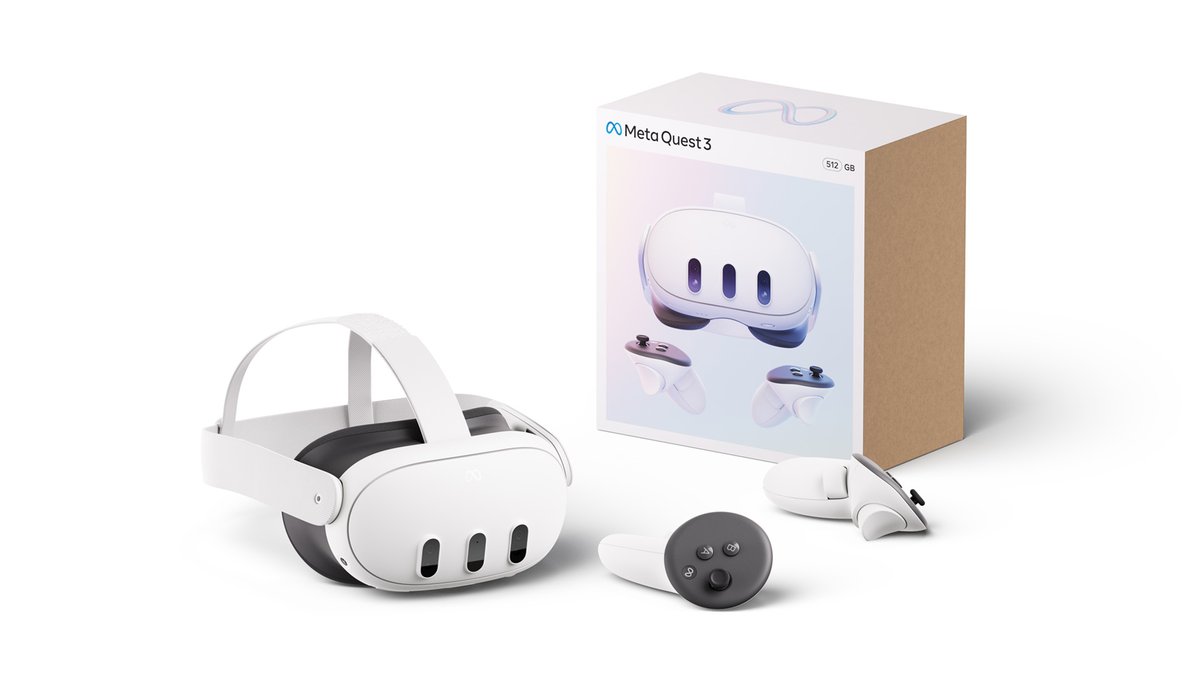
In the rapidly evolving landscape of virtual and mixed reality, a new headset emerges, promising to bridge the gap between digital immersion and our physical world. But with every innovative leap comes a crucial question: Who is the Meta Quest 3 For? (Target Audience and Use Cases) Is it for the hardcore gamer, the creative professional, or someone entirely new to this digital frontier?
Let's cut through the marketing jargon and get to the heart of what the Quest 3 offers, and more importantly, who stands to gain the most from strapping on Meta's latest all-in-one marvel. This isn't just about specs; it's about the experiences, the utility, and the individuals whose lives it genuinely enhances.
At a Glance: Who the Meta Quest 3 Was Made For
- Serious Gamers & VR Enthusiasts: Those upgrading from Quest 2 or seeking a high-fidelity, untethered gaming experience with sharper visuals and smoother performance.
- Mixed Reality Explorers: Early adopters and developers curious about blending digital content seamlessly into their physical environment, despite the ecosystem still maturing.
- Fitness & Wellness Buffs: Individuals looking for immersive workouts, virtual meditation, or active gaming without the need for cables or external sensors.
- Social & Collaborative Users: People who want to connect in virtual spaces, attend events, or engage in immersive productivity with enhanced clarity.
- Tech-Curious Newcomers (with a budget): First-time VR users who want a premium, easy-to-use entry point into virtual reality without needing a powerful gaming PC.
- Creators & Innovators: Those experimenting with new forms of digital expression, design, and interactive experiences leveraging the device's advanced capabilities.
Beyond the Hype: What Makes the Quest 3 Stand Out?
When the Meta Quest 3 hit the scene, it wasn't just another incremental update. It represented a significant step forward in standalone VR, with a clear eye on the mixed reality future. So, what exactly sets it apart and defines its ideal user?
First off, the comfort and design are immediately noticeable. Compared to its predecessor, the Quest 2, the Quest 3 is a remarkable 40% slimmer in its optical profile. This reduction in bulk means it feels less like a brick strapped to your face and more like a sleek piece of tech. The redesigned adjustable head strap also plays a crucial role, distributing weight more evenly and reducing pressure points during those marathon VR sessions. Even the controllers got a facelift, ditching the chunky tracking rings for a more natural, streamlined feel that still maintains reliable hand-tracking.
Then there's the visual fidelity. The Quest 3 boasts an impressive resolution of 2064 x 2208 pixels per eye. This translates to a noticeably sharper and clearer display, making text crisper and distant objects easier to discern. It's the difference between a slightly fuzzy image and one that truly pulls you into the virtual world.
Perhaps the most talked-about feature is the full-color passthrough. Unlike the grainy, black-and-white passthrough of earlier headsets, the Quest 3 offers a vivid, high-fidelity view of your actual environment. This isn't just a gimmick; it's the foundation for true mixed reality (MR), allowing virtual objects to convincingly interact with your physical space. Think of it like seeing a perfectly rendered digital character standing in your living room, or a virtual monitor floating above your desk, all while you can still see your coffee cup and keyboard.
Under the hood, the Snapdragon XR2 Gen 2 processor ensures that games and applications run smoothly, even as developers push the boundaries of graphical realism. This means less lag, faster load times, and more complex virtual worlds at your fingertips.
Of course, no device is perfect. The battery life, at typically 2 to 3 hours of active use, still necessitates breaks or external battery packs for longer sessions. And while the mixed reality features are thrilling, the ecosystem of apps and games that fully leverage its AR capability is still in its infancy, developing alongside the technology itself.
The Core Question: So, Who Exactly Benefits Most from the Meta Quest 3?
Understanding the Quest 3's capabilities helps us pinpoint its target audience. This isn't a one-size-fits-all device; it's a powerful tool for specific types of users.
1. The Immersive Gamer (and Aspiring VR Enthusiast)
If your primary motivation for VR is gaming, the Quest 3 is very likely talking directly to you. This is the user who craves uncompromised virtual worlds, where every detail pops and every movement is fluid.
- The Upgrade Seeker: For those already familiar with VR, especially Quest 2 owners, the Quest 3 offers a compelling upgrade. The sharper display, improved comfort, and more powerful processor mean your favorite games look better, load faster, and feel more engaging. You'll notice the difference in visual clarity immediately, making virtual combat more precise, puzzles more engaging, and exploration more breathtaking.
- The Untethered Power Player: The beauty of the Quest 3 lies in its all-in-one design. No cables, no PC connection (unless you choose to link it for PCVR), and no external sensors mean unparalleled freedom of movement. If you want to jump into intense rhythm games like Beat Saber, explore vast open worlds, or get competitive in multiplayer shooters without being tethered to a powerful desktop rig, the Quest 3 is your playground.
- The Experience Chaser: You’re not just playing games; you’re living them. Whether it’s dodging zombies in The Walking Dead: Saints & Sinners, soaring through the skies in a flight simulator, or wielding a lightsaber, the Quest 3 provides the visual fidelity and smooth performance to make these experiences truly unforgettable.
If you're wondering Should you buy Meta Quest 3? purely for gaming, consider if you value visual crispness and processing power in a standalone device. For many, the answer is a resounding yes.
2. The Mixed Reality Explorer & Innovator
Here's where the Quest 3 truly carves out a new niche. Its full-color passthrough isn't just a feature; it's a doorway to a new paradigm of computing.
- The Early Adopter: You're excited by the prospect of virtual objects seamlessly blending with your real environment. You understand that while the mixed reality ecosystem is still in its infancy, you want to be at the forefront, experimenting with early applications that turn your living room into a digital playground or a productivity hub.
- The Developer & Creator: For those involved in creating the next generation of digital experiences, the Quest 3 is an essential tool. It offers a robust platform for experimenting with augmented reality (AR) concepts, designing interactive installations, or building unique productivity tools that leverage spatial computing. You're keen to push boundaries and define what mixed reality can truly be.
- The Future-Curious: You're fascinated by the idea of virtual displays floating in your workspace, interacting with digital characters in your home, or educational experiences that project historical events onto your physical surroundings. Even with the current limitations, you see the immense potential and are eager to explore how this technology will evolve.
This group isn't deterred by the "underutilized at launch" aspect of mixed reality; rather, they see it as an opportunity to be part of its growth.
3. The Fitness Enthusiast & Wellness Seeker
VR offers a unique way to get active and find calm, and the Quest 3's untethered nature and improved comfort make it an excellent companion for wellness journeys.
- The Active Gamer: From boxing simulations to dancing games and intense rhythm challenges, VR fitness is a legitimate way to break a sweat. The Quest 3's lightweight design and better weight distribution mean you can engage in longer, more strenuous workouts without discomfort becoming a distraction.
- The Virtual Meditator: For those seeking a tranquil escape, VR provides immersive environments for meditation and mindfulness. Imagine meditating on a pristine beach or a serene mountaintop, all from the comfort of your home. The Quest 3's clearer display enhances these calming visuals.
- The Home Workout Innovator: You're looking for new, engaging ways to exercise without needing gym equipment or crowded classes. Apps that offer guided workouts, virtual trainers, or even full-body exercise routines can turn your living room into a personalized fitness studio.
4. The Social Connector & Virtual World Traveler
VR has always offered unique ways to connect, and the Quest 3 enhances these social and exploratory experiences.
- The Social Butterfly: Whether it's catching up with friends in Meta Horizon Worlds, attending virtual concerts, or exploring user-created environments, the Quest 3's improved clarity makes these interactions more personal and engaging. Seeing avatars with greater detail and navigating virtual spaces with more fluidity deepens the sense of presence.
- The Digital Explorer: You enjoy visiting faraway lands, historic sites, or fantastical realms from your couch. The sharper display brings these virtual tours to life with greater realism and detail, making it easier to lose yourself in exploration.
- The Casual Meet-Up Goer: For those who use VR to simply hang out, play casual games with friends, or watch movies together in a virtual cinema, the Quest 3 offers a premium, hassle-free experience that just works.
5. The Remote Professional & Productivity Hacker
While often seen as a gaming device, the Quest 3 also has nascent but powerful applications for work and productivity.
- The Virtual Workspace Enthusiast: Imagine having multiple large, virtual monitors floating around you, all while still being aware of your physical surroundings thanks to the full-color passthrough. For remote workers, designers, or anyone needing expansive screen real estate, the Quest 3 can offer an incredibly flexible and private workspace.
- The Immersive Collaborator: For teams working remotely, VR can facilitate more engaging meetings and collaborative design sessions. Visualizing 3D models together, whiteboarding in a shared virtual space, or conducting training simulations can be far more effective in VR than on a flat screen.
- The Mind Mapper & Visual Thinker: If you thrive on spatial organization and visual aids, tools that allow you to create vast mind maps or pin digital notes around you in a virtual environment can unlock new levels of creativity and organization.
6. The Curious Newcomer (with a Budget for Premium)
Not everyone upgrading from a Quest 2; many are first-time VR users.
- The Easy Entry Point Seeker: You're intrigued by VR but don't want the complexity or expense of a PC-tethered system. The Quest 3's all-in-one nature and user-friendly interface make it incredibly accessible. You simply put it on, and you're in.
- The Quality-Conscious First-Timer: You've heard about VR and want to experience it at its best, without immediately diving into high-end PCVR. The Quest 3 offers a premium, cutting-edge standalone experience that won't leave you feeling like you've bought an outdated gadget within months.
- The Investor in Future Tech: You see VR/MR as the next major computing platform and want to jump in now with a device that's well-positioned for future developments. While it's a significant investment, the Quest 3 is designed to be future-proof for several years.
Who Might Not Find the Quest 3 Their Perfect Match (Yet)?
Just as it excels for certain users, the Quest 3 isn't for everyone. Knowing these caveats can help manage expectations.
- The Strictly Budget-Conscious User: The Quest 3 comes with a higher price tag than previous models, making it a significant investment. If you're looking for the absolute cheapest entry into VR, older models or refurbished Quest 2 units might be more appealing, even if they lack the same performance and features.
- Those Expecting Fully Mature AR/MR Experiences Immediately: While the hardware for mixed reality is impressive, the software ecosystem is still developing. If you expect a vast library of sophisticated AR games and applications right out of the box, you might find the current offerings a bit limited. Patience is key for this evolving aspect.
- Users Prioritizing Marathon Battery Life Above All Else: With 2-3 hours of active use, the Quest 3 isn't designed for all-day unplugged sessions. If extended battery life is your top priority for long work sessions or continuous gaming, you'll definitely need an external battery pack or be prepared for frequent recharges.
- Individuals with Very Specific Comfort Needs (without accessories): While the Quest 3 is generally more comfortable, some users, particularly those with larger heads or who wear glasses, may still need to invest in third-party head straps or facial interfaces for optimal comfort during long sessions. The out-of-the-box experience might require some fine-tuning.
- Hardcore PCVR Enthusiasts with High-End Rigs: If you already own a top-tier gaming PC and a dedicated PCVR headset (like a Valve Index or Pimax), the Quest 3, while capable of PCVR via Meta Link, might not offer a substantial enough leap in raw visual fidelity or field of view to warrant an immediate switch for that specific use case. Its primary strength remains its standalone capability.
Making the Most of Your Quest 3: Essential Considerations
If you fall into one of the target audiences, here are some practical tips to enhance your Quest 3 experience.
Accessories Are Your Friends
The Quest 3's premium build is a great starting point, but accessories can significantly elevate your experience. Investing in a more comfortable head strap, especially an Elite Strap with a battery pack, can double your play time and make the headset feel even more balanced. Different facial interfaces can also improve comfort, especially for users with glasses or specific face shapes. Don't overlook these; they can transform a good experience into a great one.
Battery Management for Longer Adventures
Given the 2-3 hour battery life, proactive management is key. Consider purchasing an external battery pack, either a dedicated one from Meta or a high-quality third-party option. Keeping your headset charged between sessions, utilizing power-saving settings when appropriate, and being mindful of app usage can help extend your playtime.
Exploring the Ecosystem Beyond Gaming
While gaming is a massive draw, don't limit yourself. Dive into the world of productivity apps, virtual social spaces, fitness programs, and educational content. The Quest Store is constantly expanding, and SideQuest offers an avenue for experimental apps. The mixed reality features, even in their early stages, offer unique learning and entertainment possibilities if you're willing to experiment.
Comfort & Fit: Your Personalization Journey
The Quest 3's improved design is fantastic, but personal fit is crucial. Spend time adjusting the head strap and the interpupillary distance (IPD) until the image is perfectly clear and the headset feels secure yet comfortable. Small adjustments can make a huge difference in reducing eye strain and preventing discomfort during longer sessions.
Quest 3 vs. Quest 2: Is the Upgrade for You?
For many, the question boils down to: "I have a Quest 2, why should I upgrade?" The answer depends entirely on what you prioritize.
- Upgrade for Visual Fidelity: If you constantly wished your Quest 2 had a sharper, clearer display, the Quest 3 delivers. Text is readable, distant objects are crisp, and the overall immersion is significantly enhanced.
- Upgrade for Mixed Reality: If the idea of blending your physical and digital worlds excites you, and you want to experience true color passthrough, the Quest 3 is a no-brainer. This is where it truly differentiates itself.
- Upgrade for Performance & Comfort: Smoother frame rates, faster loading, and a more comfortable, balanced headset all contribute to a superior overall experience. If you play demanding games or have long VR sessions, these improvements are substantial.
- Stick with Quest 2 if: Your budget is tight, you're perfectly happy with the Quest 2's performance and visuals, or you're simply waiting for the mixed reality ecosystem to mature further before jumping in. The Quest 2 remains a fantastic and affordable entry point into VR.
The Quest 3 is a premium upgrade for those who want the best standalone VR experience available today, especially if they are curious about the mixed reality future.
The Future Is Mixed: What to Expect from Quest 3's Evolving Capabilities
It's true that the mixed-reality features of the Quest 3 are "underutilized at launch," as our research indicated. But this isn't a flaw; it's a foundation. Meta and third-party developers are actively building out the ecosystem.
Expect to see:
- More Sophisticated AR Games: Games that truly integrate virtual elements with your physical space, rather than just overlaying them. Imagine a digital pet playing with your real-world furniture or an educational app projecting a planetarium onto your ceiling.
- Enhanced Productivity Tools: Virtual monitors that track your real-world keyboard, collaborative workspaces where digital whiteboards hang in your real meeting room, or design tools that let you sculpt 3D models right in front of you.
- Innovative Social Experiences: Mixed reality could allow for new ways to interact in shared physical spaces with virtual elements, blending the online and offline world seamlessly.
- New Forms of Entertainment: Interactive art installations, personalized immersive experiences, and entirely new genres that only MR can enable.
The Quest 3 is a forward-looking device. Its current state is a strong indicator of its potential, and the development roadmap suggests exciting things to come. Early adopters are essentially investing in a platform that will grow and expand over time.
Ready to Step In? Final Thoughts for Your VR Journey
The Meta Quest 3 isn't just another gadget; it's a window into the next era of computing. It offers an unparalleled blend of immersive VR gaming, groundbreaking mixed reality capabilities, and robust performance in an accessible, untethered package.
If you are a serious gamer looking for an upgrade, an early adopter eager to explore mixed reality, a fitness enthusiast seeking engaging workouts, or simply a tech-curious individual ready to experience premium standalone VR, the Quest 3 offers a compelling proposition. It's an investment in cutting-edge technology that promises to evolve and surprise.
Ultimately, deciding if the Meta Quest 3 is for you comes down to your aspirations for virtual and mixed reality. Do you want to be at the forefront of this exciting transformation, or are you content to observe from the sidelines? For those ready to step in, the Quest 3 is waiting to transport you.